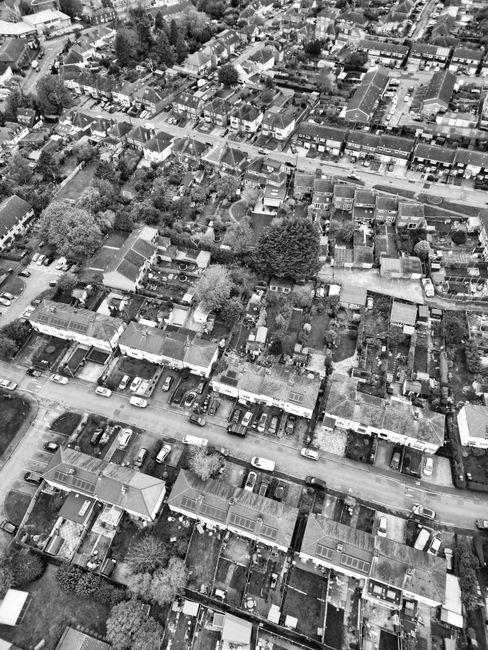
Local gardeners serving Chase Farm Estate EN2
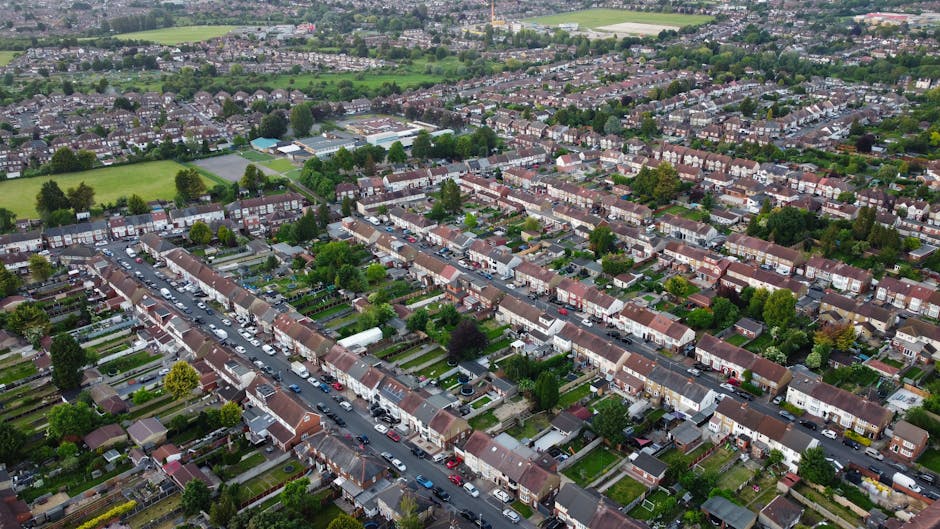
If you live in Chase Farm Estate EN2, you already know the small things make the biggest difference in a garden: a hedge that suddenly looks shaggy, a lawn that turns patchy after a wet spell, weeds that seem to arrive overnight, and planting that never quite settles in the way you hoped. That is where local gardeners serving Chase Farm Estate EN2 really earn their keep. They understand the rhythm of North London gardens, the quirks of shaded plots, narrow front spaces, and the practical pressure of keeping everything neat without spending every weekend outside with a trowel in hand.
This guide breaks down what local gardening support usually includes, how the service works, what to expect, and how to choose the right help for your outdoor space. It is written for homeowners, landlords, busy families, and anyone who wants a garden that looks cared for rather than simply survived.
Why Local gardeners serving Chase Farm Estate EN2 Matters
Local garden work is never just about cutting grass or trimming a hedge. In an estate like Chase Farm, the value of a gardener is tied to context. A local gardener knows how quickly growth can surge after rain, how shade changes the way borders behave, and which plants will tolerate a bit of urban exposure without sulking all season. That sort of judgement saves time, money, and a fair bit of frustration.
It also matters because gardens in residential areas often need practical, neighbour-friendly upkeep. Overgrown hedging can block light, a front path can become slippery, and messy borders can make an otherwise lovely property feel neglected. A good gardener helps you stay ahead of those issues before they turn into larger repairs. Truth be told, that is usually the best kind of garden maintenance: boring in the best possible way.
There is also the simple local advantage. A gardener serving the EN2 area is more likely to understand access, parking, seasonal timing, and the common garden sizes around the estate. They are not arriving with guesswork. They know what they are looking at.
If you are comparing service pages and trying to understand the difference between routine upkeep and a broader garden refresh, the site's garden maintenance and gardening services pages are useful places to start, especially if you want regular support rather than a one-off tidy.
How Local gardeners serving Chase Farm Estate EN2 Works
Most local gardening services begin with a simple conversation about what is bothering you, what you want to keep, and what sort of finish you prefer. That may sound obvious, but it is where the best jobs start. A quick assessment can reveal whether the garden needs light maintenance, more structured pruning, replanting, lawn recovery, or a proper reset.
From there, the gardener usually looks at a few key areas:
- the size and condition of the lawn
- hedges, shrubs, and boundary growth
- weeds, moss, and soil condition
- paths, patios, decking, and access points
- trees or larger plants that may need specialist attention
- how much ongoing maintenance you want
Some visits are straightforward. A lawn may need mowing, the edges neatened, and the beds cleared. Others are more layered. Maybe the front garden needs a tidy, the back needs pruning, and the hedge line has started to dominate the light. That is when services like lawn mowing, lawn care, or hedge trimming in Enfield Town can be brought together as part of one practical plan.
Good gardeners also think in seasons. A garden that looks fine in June may need different treatment by October. A clipped hedge, for example, may need shaping rather than aggressive cutting; planting may need protection before cold weather; and some areas may benefit from weed suppression or ground cover rather than repeated clearing. It is a bit like maintaining a house really. If you wait too long, everything gets louder.
Key Benefits and Practical Advantages
The obvious benefit is a better-looking garden. But the better reason to hire local gardeners is that they help your garden work better for you. That distinction matters. A neat lawn is nice. A garden that is easier to live with is better.
Here are the main advantages people usually notice:
- Consistency: regular upkeep stops small problems from snowballing.
- Healthier planting: pruning, mulching, and soil care can improve growth over time.
- More usable space: cleared paths, better borders, and sensible layout make the garden feel larger.
- Lower stress: you do not have to spend your Saturday wrestling a hedge trimmer.
- Better seasonal timing: tasks are done when they should be, not whenever you finally find time.
There is also a property-value angle, though it is best not to oversell that. A tidy, well-kept garden tends to support curb appeal, which matters if you are selling, letting, or simply want the home to feel more cared for. Even a modest front garden can change how a whole property reads from the pavement.
For many households, the real benefit is peace of mind. You know who is looking after the garden. You know what is being done. And the work is being handled by someone who sees the same local conditions you do.
If your garden has patchy grass, compacted soil, or areas that never quite recover, it can help to read up on practical soil and planting ideas such as harvesting soil wealth from waste and ground cover plants that add charm. Those kinds of insights often lead to better decisions on the ground, quite literally.
Who This Is For and When It Makes Sense
Local garden help suits a wide range of people, but the need usually shows up in one of a few familiar ways.
You may want local gardeners serving Chase Farm Estate EN2 if you are:
- a homeowner who wants regular maintenance without the weekend burden
- a landlord preparing a rental for viewings or new tenants
- an older resident who prefers reliable support for heavier tasks
- a busy family with too little time to stay on top of growth
- someone returning to a neglected garden and not quite sure where to begin
- a new resident who wants the outdoor space to feel settled quickly
It also makes sense if you have specific pain points. For example, maybe the hedge line is blocking daylight in one room. Maybe the lawn has gone thin and uneven. Maybe the patio is dull and green with algae, which is hardly the welcome you want on a damp morning. In those cases, a general tidy-up might not be enough. You may need a more structured combination of services such as patio cleaning, tree surgery, or even fencing if the boundary itself is part of the problem.
A useful rule of thumb: if the garden has become something you manage only in emergencies, it is probably time for scheduled support. Not dramatic. Just honest.
Step-by-Step Guidance
If you want the best outcome from a local gardener, the process works much better when you approach it in stages. Here is a sensible way to do it.
- Walk the garden and note the issues. Stand at the back door, then move slowly around the space. Which parts look tired? Which are overgrown? Which areas feel awkward to use?
- Separate urgent work from cosmetic work. A risky branch, slippery path, or obscured step is more urgent than a border that simply looks messy.
- Decide what you want to keep. A gardener can cut back a lot, but they should not guess which plants matter to you. Mark anything sentimental or important.
- Choose between one-off and regular support. If the garden is already under control, periodic visits may be enough. If it has run away a bit, a one-off reset followed by maintenance is often smarter.
- Ask for a clear scope. Define whether the visit covers mowing, edging, hedge work, weeding, pruning, clearing, waste removal, or all of the above.
- Check access and timings. Simple stuff, but it saves hassle. Gate codes, parking, pets, neighbour access, and water points can all affect the day's work.
- Review the result and set the next step. A good gardener should leave you with a garden that is manageable, not just tidied for one afternoon.
That last point gets overlooked far too often. The best work is not only what you see on the day. It is the fact that three weeks later the garden still feels under control.
If you are dealing with a garden that has been neglected for a while, the idea of starting can feel a bit heavy. That is normal. A useful read on the topic is envisioning a new beginning for a neglected garden, because sometimes the first job is simply deciding that the space deserves attention again.
Expert Tips for Better Results
The small decisions matter most in gardening. Here are the kinds of details that make local work go more smoothly and produce better results.
1. Match the maintenance level to the garden's reality. A low-maintenance planting scheme is brilliant if you want ease, but it still needs a plan. Too many people choose plants for the picture rather than the weather, shade, soil, or their own availability.
2. Avoid overcutting hedges and shrubs. You can always take more off later, but not put it back. Trimming should support shape and health, not create bare patches that take months to recover.
3. Use ground cover where repeated weeding is a losing battle. In awkward beds and partial shade, ground cover can reduce the amount of exposed soil and make the garden feel calmer. There is a helpful article on low-growing planting ideas if you want practical inspiration.
4. Think about shelter. Wind can flatten delicate planting and dry out beds very quickly. If your space is exposed, a local gardener may suggest structural planting or soft screening. The article on reducing wind effects in your garden is a smart companion piece.
5. Make the garden easy to access. If tools, waste bags, and hoses can move cleanly through the space, work is faster and safer. Little thing, huge difference.
6. Keep a seasonal routine. Spring growth, summer cutting, autumn leaf clear-up, winter protection. Gardens do not freeze in time, so the maintenance plan should not either.
7. Don't forget the boring jobs. Weed control, edging, and clearance are the backbone of a presentable garden. Not glamorous, but absolutely necessary.
For a broader grounding in practical gardening habits, the post on nine insights to gardening mastery is worth a look. It is basic in the right way: the sort of knowledge that quietly saves you money.
Common Mistakes to Avoid
Even well-meaning homeowners can make a garden harder to manage than it needs to be. Here are the mistakes that come up again and again.
- Waiting too long between visits. Light maintenance is cheaper and easier than rescuing a space that has been left too long.
- Pruning without a plan. A hedge or shrub can lose its structure fast if it is cut simply because it looks untidy.
- Choosing plants only for appearance. Some planting looks gorgeous for two weeks and then becomes a headache for the rest of the year.
- Ignoring soil health. If plants struggle in the same area over and over, the soil probably needs help, not just more effort.
- Forgetting waste removal. A tidy cut-back is not really tidy if all the clippings are left in a heap by the fence.
- Mixing up quick fixes with proper maintenance. A weed wipe or single mow may help for the day, but not for the month.
There is also a very human mistake: trying to do everything at once. I have seen gardens where someone has bought compost, cut hedges, laid mulch, replanted, and pressure-washed the patio all in one weekend. Ambitious? Yes. Relaxing? Absolutely not. Sometimes the smarter move is to tackle one layer at a time.
If weeds are the main frustration, it can help to pair regular attention with the advice in how to maintain weed control with ease. That way you are not simply reacting every time new growth appears.
Tools, Resources and Recommendations
A good gardener brings more than sharp tools. They bring judgement. Still, the right kit matters, and so does the right approach to planning.
Typical tools and equipment may include:
- lawn mowers and edging tools
- secateurs, loppers, and hedge trimmers
- rakes, brooms, and garden vacuums for clearance
- spades, forks, and hand tools for border work
- soil improvers, compost, or mulch where appropriate
- protective kit and safe lifting aids for heavier jobs
Useful resources and service pages to compare:
- garden maintenance for ongoing support
- lawn care if the grass needs proper recovery
- landscaping if you are changing structure, levels, or layout
- decking services if your outdoor seating area needs attention
- about us if you want a better sense of the team and approach
For people who want to lower long-term upkeep, it can also help to explore ideas like container planting, vertical gardening, and low-maintenance layouts. Those themes are covered in the site's articles on container gardening and vertical gardening. Both can be surprisingly useful in smaller spaces or awkward corners.
And if you are trying to keep costs sensible, the article on budget-conscious gardening offers a realistic way to reduce upkeep without making the garden feel empty. That balance is the trick, really.
Law, Compliance, Standards, or Best Practice
For garden work, the main compliance concerns are usually safety, waste handling, and property boundaries rather than complicated regulation. Even so, best practice matters. A reputable gardener should work carefully, respect adjoining properties, and avoid creating avoidable risk through poor tool use, unsafe access, or careless disposal.
If trees, tall hedges, or heavy branches are involved, the work becomes more sensitive. You want sensible assessment before anything is cut hard or removed. A neighbour's light, root spread, and overhanging growth can all become issues if handled too casually. This is where experienced local judgement is worth more than haste.
It is also sensible to ask about insurance and safety procedures before any larger job begins. Clear communication about risk, access, and responsibility should be standard. The pages on insurance and safety and health and safety policy are useful for understanding how a responsible operator thinks about these things.
For bigger services, you may also want to review terms and conditions, payment and security, and complaints procedure. Not because you expect problems. Just because clear terms are a mark of a business that has thought things through.
And yes, waste removal is worth discussing up front. Clippings, branches, and old growth can add up fast. If the job is substantial, ask how disposal is handled so there are no awkward surprises at the end of the day.
Options, Methods, or Comparison Table
Different gardens need different levels of support. Here is a simple comparison to help you think clearly about the options.
| Approach | Best for | Typical strengths | Limitations |
|---|---|---|---|
| One-off tidy-up | Fast rescue jobs, pre-sale prep, seasonal refreshes | Quick visible improvement, clears immediate issues | Does not maintain the result for long without follow-up |
| Regular maintenance | Busy households, rental properties, established gardens | Reliable consistency, easier budgeting, less stress | May not be enough for severe neglect or redesign work |
| Garden reset | Overgrown or neglected spaces | Creates a clean starting point for future upkeep | More labour-intensive and usually takes longer |
| Specialist work mixed with maintenance | Hedges, trees, fencing, paving, and planting together | Better for complex spaces with several problem areas | Needs clearer planning and a more detailed scope |
In practice, many Chase Farm Estate gardens fall into the middle two categories. A one-off tidy may help after a rough season, but regular maintenance is what keeps the garden pleasant to live with. If you are dealing with both structure and presentation, a mix of tree surgery, hedge work, and lawn care often makes more sense than treating each issue in isolation.
Case Study or Real-World Example
Picture a typical semi-private garden in Chase Farm Estate. The lawn has gone uneven after a damp spring. A hedge along one side has started leaning into the path. The back border is full of weeds, and the patio has that faint green film that makes it look older than it really is.
The first visit focuses on clearing the obvious issues: mowing, edging, hedge reduction, and weeding. That already changes how the space feels. You can see the shape of the garden again. A second visit deals with soil improvement, replanting a couple of tired areas, and cleaning the hard surfaces. The result is not a glamorous redesign. It is better than that. It is a garden that feels usable, calm, and easy to keep that way.
That kind of job is a good reminder that most gardens do not need dramatic transformation. They need steady, intelligent care. Sometimes the difference between messy and lovely is just a few targeted decisions made at the right time of year.
If the garden is shadowy or windswept, pairing shelter planting with a few evergreen climbers can help the space feel more settled. The article on evergreen climbers for shade is useful here, and so is ensuring your garden survives adverse weather. Weather is not gentle on North London gardens, let's face it.
Practical Checklist
Use this checklist before booking local gardening help, or before asking for a quote.
- Identify the main problems in the garden
- Decide whether you need a one-off job or ongoing maintenance
- Note any trees, tall hedges, or awkward access points
- Set aside plants or areas you want preserved
- Ask whether waste removal is included
- Check whether the work includes lawn, borders, hedges, patio, or all of them
- Review safety and insurance information
- Make sure the timing suits the season and your schedule
- Ask about future maintenance recommendations
- Keep a simple record of what was done so follow-up is easier
That last one sounds a bit fussy, maybe, but it is useful. A quick note on what was pruned, what was fed, and what was left alone can save confusion later.
Conclusion
Local gardeners serving Chase Farm Estate EN2 give you something more valuable than a quick tidy: they give you a practical, local way to keep your outdoor space healthy, manageable, and genuinely enjoyable. Whether you need mowing, hedge shaping, weed control, patio cleaning, or a larger garden reset, the right help brings order without making the process feel complicated.
The best results usually come from clear communication, realistic expectations, and a maintenance plan that fits the way you actually live. Not the way a magazine cover thinks you live. There is a difference.
If your garden has been quietly asking for attention for a while, now is a good moment to listen. A small first step can make the whole space feel lighter, calmer, and easier to use. And that feeling lasts.
Get a free quote today and see how much you can save.
Frequently Asked Questions
What do local gardeners serving Chase Farm Estate EN2 usually help with?
They commonly help with lawn mowing, hedge trimming, weeding, pruning, border care, seasonal tidy-ups, and sometimes larger jobs like patio cleaning or tree work. The exact scope depends on the garden and the service agreement.
How often should a garden in Chase Farm Estate be maintained?
That depends on the garden's size, planting, and how quickly it grows. Many gardens benefit from regular visits during the active growing season, then lighter attention in colder months.
Is a one-off garden tidy enough?
It can be, especially if you just need a reset before selling, letting, or hosting. But if the garden grows quickly or has repeated problem areas, regular maintenance usually works better.
Can local gardeners handle overgrown hedges?
Yes, in many cases they can. If the hedge is very tall, dense, or close to boundaries, it is worth asking about the best approach before any cutting begins. A careful trim is usually better than a brutal one.
What if my lawn is patchy or mossy?
That often points to a mix of compaction, shade, drainage, and maintenance habits. A gardener may suggest lawn care, feeding, scarifying, overseeding, or changing how the lawn is used and watered.
Do I need to be home while the work is being done?
Not always. Some people prefer to be there for the first visit or assessment, then arrange access for future work. It depends on the level of trust, access, and the kind of job being carried out.
What should I ask before booking a gardener?
Ask what is included, how waste is handled, whether tools are supplied, what safety measures are used, and whether the work is a one-off or part of a maintenance plan. Clear questions save awkward follow-up later.
Can gardeners help improve privacy in my garden?
Yes. Hedge management, screening planting, and structural planting choices can all improve privacy. In some cases, a combination of trimming and new planting works best.
Are there safety or insurance things I should check?
Yes, especially for larger or higher-risk work. It is sensible to review insurance and safety information, and to make sure everyone understands access, boundaries, and any hazards before the job starts.
What if my garden has gone a bit neglected?
That is very common, and it is usually fixable. The best approach is a structured reset: clear the worst growth, restore shape, then move into regular maintenance so the space does not drift back again.
Can gardeners help with patios, decking, or fencing too?
Often, yes. Some jobs include patio cleaning, decking work, fencing, or broader landscaping. If you want multiple tasks handled together, it is best to discuss that upfront so the visit can be planned properly.
How do I know whether to choose gardening services or landscaping?
If you mainly need upkeep, go with gardening services or maintenance. If you want to change the structure, layout, levels, or overall feel of the space, landscaping is usually the better fit.
If you want a garden that feels cared for without taking over your week, local help is a sensible place to start. Small improvements add up quickly, and in a place like Chase Farm Estate, that can make all the difference on an ordinary Tuesday morning.