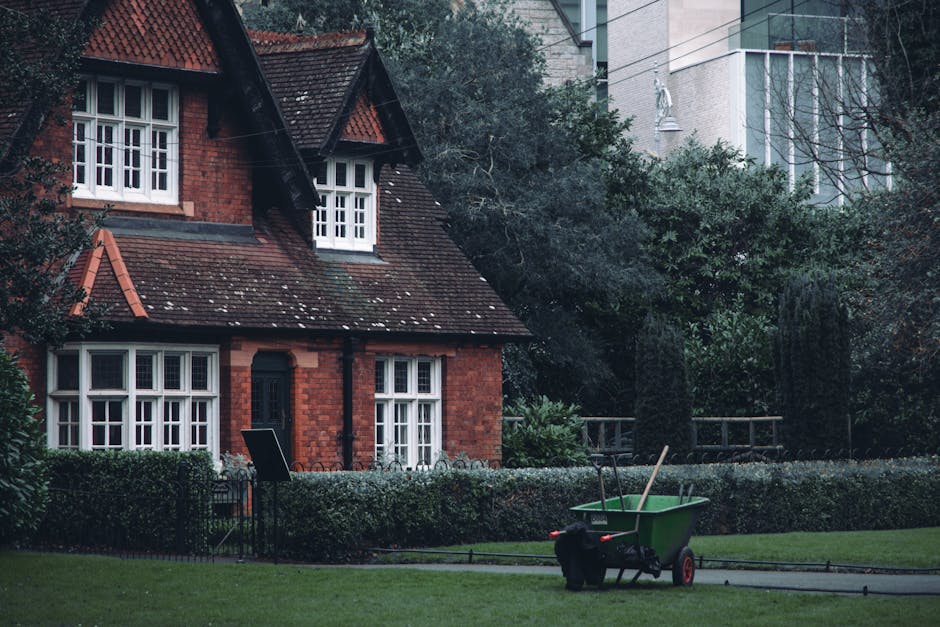
Best gardeners for homes around Forty Hall Enfield Town
If you live near Forty Hall in Enfield Town, you already know the charm of the area: mature trees, long garden boundaries, pockets of shade, and the kind of outdoor space that can look beautiful one month and a bit unruly the next. Finding the Best gardeners for homes around Forty Hall Enfield Town is not just about neat lawns. It is about choosing someone who understands local gardens, practical maintenance, seasonal change, and the small details that make a garden feel cared for rather than merely cut back.
This guide is for homeowners who want a garden they can actually enjoy, not just look at from the kitchen window. We'll cover how to assess a gardener, what good service looks like, where the real value sits, and which jobs are worth outsourcing first. Along the way, you'll also find a few useful links to deeper guidance, like routine garden maintenance and lawn care support, which can help you decide what your home needs most.
Truth be told, most garden problems are not dramatic. They are slow. A hedge gets a little too wide, weeds get a little too comfortable, and suddenly the whole space feels harder to manage. The right gardener changes that rhythm. They bring order, seasonal judgement, and a steady hand. And yes, that matters quite a lot around here.
Why Best gardeners for homes around Forty Hall Enfield Town Matters
The gardens around Forty Hall often have their own personality. Some are compact and tidy, some are larger family spaces, and many sit somewhere in between with mixed borders, hedge lines, patios, and lawn areas that need different kinds of care. A gardener who works well in this setting does more than mow and leave. They look at drainage, shade, soil condition, growth habits, and how much time you realistically have between visits.
That matters because a good result in North London is not always about brute-force tidy-up work. A neat finish can be undone fast if pruning is timed badly, if lawns are cut too short during dry spells, or if a hedge is shaped without understanding how it regrows. A local gardener with real judgement will notice these things early. You will notice the difference after a few visits, maybe even sooner.
There's also the lifestyle side. Plenty of homeowners want a space that feels calmer and more usable. Maybe you want the seating area cleared, the border reset, or the weeds finally beaten down for good. Maybe you're trying to turn a tired outdoor patch into somewhere you can drink tea in the evening. That is where thoughtful gardening services become genuinely valuable, not just convenient.
For many households, the big advantage is consistency. Gardens are easier to maintain when someone keeps ahead of them rather than waiting for jobs to pile up. If you have a hedge near a path, a lawn that struggles in shade, or awkward planting beds that collect debris, a dependable gardener can stop those issues becoming the weekend headache they always threaten to become.
How Best gardeners for homes around Forty Hall Enfield Town Works
In practical terms, professional garden care usually starts with an assessment. A good gardener will ask what you want from the space, what the priorities are, and how often you want work carried out. They may walk the garden with you, take note of access, plant health, problem areas, and any safety concerns. If a quote is being prepared, this is also where the scope should become clear. No guesswork, ideally.
After that, the work is usually broken into manageable tasks. A typical home garden might need lawn mowing, edging, weed control, hedge trimming, pruning, leaf clearance, and seasonal tidying. Larger or more tired gardens may need deeper help, such as soil improvement, replanting, structural changes, or support from related services like landscaping or tree surgery where trees are affecting light, safety, or overall balance.
The best gardeners work with the season, not against it. In spring they focus on recovery and growth. In summer, they maintain shape and manage watering stress. In autumn, they deal with leaf fall, borders, and preparing plants for colder weather. In winter, the job is often about protection, structure, and keeping the garden from slipping backwards. Simple enough in theory, but experience makes all the difference in practice.
There is usually also a maintenance rhythm. Some homes benefit from fortnightly visits; others do better with monthly care plus occasional one-off help. The right cadence depends on how quickly things grow, how much lawn you have, and how particular you are about tidiness. A flexible service is often best, because gardens do not read calendars. Annoying, but true.
Key Benefits and Practical Advantages
The first benefit is obvious: a better-looking garden. But the real value goes beyond appearances. The right gardener helps preserve plant health, reduces long-term repair work, and stops small issues from becoming expensive ones. A hedge trimmed at the right time behaves differently from one hacked back at random. A lawn cared for properly feels thicker, greener, and less patchy. A border kept under control is less likely to become a weed patch by mid-season.
There's also time saved, which is not a small thing. Many homeowners near Forty Hall are juggling work, family, and the usual life noise. By the time you've finished everything else, the garden can feel like another job. Outsourcing the heavy lifting can be the difference between using your space and avoiding it.
Good gardeners also bring design judgement. They can suggest low-maintenance plant combinations, better edge definition, hedge structure, and practical ways to use awkward corners. For example, shade-heavy areas near mature trees often respond well to ground covers and evergreen planting rather than constant reseeding. If that sounds familiar, the article on ground cover plants that add charm is worth a look.
Then there is property presentation. Whether you are staying long term or thinking ahead, a neat, balanced garden helps with kerb appeal. It signals care. It gives visitors a decent first impression. And frankly, it makes Sunday afternoons feel less like a chore and more like a small reward.
Expert summary: The best gardener for a Forty Hall-area home is not simply the one with the biggest mower or the lowest price. It is the one who understands seasonal care, communicates clearly, and leaves you with a garden that is easier to live with, not just easier to glance at.
Who This Is For and When It Makes Sense
This service makes sense for a wide range of homeowners. If you have a busy schedule, a garden that gets out of hand quickly, or you simply want a more polished outdoor space without doing every task yourself, the fit is obvious. It also makes sense if you have recently moved into a property and the garden needs a proper reset. A lot of people underestimate how much first-impression fatigue a tired garden can create. You open the back door and think, where do I even start?
It is also a strong option if your garden has specific challenges. Some homes around Forty Hall have mature hedges that need proper shaping, not rough trimming. Some have shaded sections that never seem to settle. Others have compact patios or decking areas that gather grime and debris. In those cases, a broader service mix can help. You might combine garden care with patio cleaning, decking services, or even fencing work if the boundaries need attention too.
Families with children often benefit from a gardener who keeps play areas safe, open, and manageable. Pet owners usually want durable planting, fewer hazards, and sensible surfaces. And if you enjoy entertaining, a gardener who helps maintain seating areas and sightlines can make a surprising difference. You notice it the first time you have guests over and nobody has to step around three weeks of overgrowth just to sit down.
If your garden is simply neglected, it may need a restoration-style visit before regular maintenance begins. That kind of work is often more satisfying than people expect. With the right approach, a garden can shift from overwhelming to workable in a single day. Not always perfect. But definitely alive again.
Step-by-Step Guidance
1. Clarify what you actually need
Start by identifying the main problem. Is it the lawn? The hedges? The weeds? The whole lot? Be honest. A vague brief leads to vague results. Write down your top three priorities before you speak to anyone. That tiny bit of prep saves a lot of back-and-forth later.
2. Decide between maintenance and one-off work
Some gardens only need a reset and then light care after that. Others need ongoing support. If you are not sure, think about how fast the space gets messy after a tidy-up. If it looks fine for one week and then collapses, you probably need regular maintenance rather than a one-off blitz.
3. Look for practical evidence of competence
You want signs of real gardening knowledge: good timing, sensible pruning, tidy edging, and an understanding of what should be cut, lifted, fed, or left alone. If a gardener can explain why a plant should be handled a certain way, that is usually a good sign. Over-confident guesswork? Less good.
4. Ask about the full scope of work
It is worth checking whether hedge trimming, lawn care, weed control, leaf clearance, and seasonal pruning are included or priced separately. If you need clearer hedge work, the page on hedge trimming in Enfield Town can help you understand the sort of service scope homeowners often request.
5. Check communication and follow-up
A strong gardener doesn't vanish after the first visit. They should be able to tell you what they did, what needs watching, and what should happen next. Good communication matters more than people think. It is the difference between a nice clean-up and a managed garden.
6. Review the plan season by season
Gardens change. In early spring, a border may need reworking. By midsummer, the focus may shift to mowing and pruning. In autumn, it could be leaf control and winter prep. A gardener worth hiring will adapt, not copy-paste the same visit forever.
Expert Tips for Better Results
One of the best things you can do is prioritise consistency over drama. A modest, regular service often delivers better results than a huge tidy-up once every few months. It keeps weeds from getting established and prevents hedges and lawns from becoming overworked all at once. Gardening is a bit like washing up, in a way. Ignore it long enough and the job gets weirdly emotional.
Another useful tip: do not assume every low-maintenance garden should look minimal or bare. Some of the most attractive gardens are simply well-chosen. Hardy borders, ground cover, evergreen structure, and sensible seating can create a space that feels calm without demanding your weekends. If you like that sort of thinking, the pieces on low-maintenance gardening and zen garden ideas offer useful inspiration.
Pay attention to edges and transitions. A garden feels better when lawn, border, path, and fence line all work together. This is one reason structural services matter. Sometimes a little reshaping to a hedge, a cleaner boundary, or a better path edge creates more impact than adding new plants.
And here's a practical one: ask for a small priority list after each visit. What should be watched, what should be cut next, and what can wait? That simple habit keeps the whole job sane. It also makes it easier to budget.
If you have pets, children, or shaded problem areas, say so early. The right gardener will adjust plant choices and maintenance routines accordingly. There are good ideas for more family-friendly setups in dog-friendly garden design and children's garden planning. It is much easier to design with those needs in mind than to fix them later.
Common Mistakes to Avoid
The most common mistake is hiring on price alone. Cheap can be fine for simple jobs, but if you need judgement, care, and reliability, the cheapest quote is not always the best value. In fact, it can be the opposite if the work has to be redone.
Another mistake is not being specific enough. "Sort the garden out" sounds convenient, but it leaves too much room for misunderstanding. A better brief might be: lawn cut, edges trimmed, front hedge shaped lightly, weeds removed from patio joints, and back border tidied. Clear, simple, usable.
People also underestimate seasonal timing. Cutting back the wrong plants at the wrong moment can weaken growth or spoil flowering. It sounds fussy, but it matters. A gardener who knows the rhythm of the year will avoid these missteps.
Then there is neglecting aftercare. A garden revived in one visit still needs ongoing attention. Without a plan, weeds return, lawns thin, and borders drift back to square one. That does not mean you need constant intervention. It just means the job is a living one.
Finally, do not ignore risk and access. Steep steps, uneven paving, awkward tree branches, or slippery patios should be discussed openly. If you want to understand how a contractor thinks about these matters, the site's insurance and safety and health and safety policy pages are useful reference points.
Tools, Resources and Recommendations
For homeowners, a few basic tools make it easier to keep a garden under control between visits: a decent rake, pruners, gloves, a watering can or hose, and a simple way to collect clippings. You do not need a shed full of machinery. You really don't. A gardener can bring the specialist kit; you mainly need the right habits.
If your garden has lots of vertical growth or tight boundaries, services that support climbing plants, hedges, and layered planting are worth considering. The article on vertical gardening is helpful if you want to make better use of narrow space. For shady fences or walls, evergreen climbers for shade can be a smart route.
Where the ground itself needs improvement, soil health should not be an afterthought. Composting, mulching, and reducing waste all help. The guide on turning garden waste into soil wealth is especially relevant if your borders feel tired or thin.
For stubborn weeds, a better routine usually beats occasional panic-clearing. The article on easy weed control gives a solid practical approach. And if you are starting from scratch, the beginner guide at gardening basics is a sensible read before you commit to any big changes.
Law, Compliance, Standards, or Best Practice
For most home gardening work, the key point is not legal complexity but safe, competent practice. A reputable gardener should work carefully, communicate clearly, and avoid creating hazards. If they are trimming hedges, handling tools, or dealing with trees and heavy waste, they should treat safety as part of the job rather than an afterthought.
Homeowners do not usually need to manage technical standards themselves, but it helps to expect a few basics: clear pricing, transparent scope, respectful conduct, and sensible handling of waste. If a contractor is working near neighbours, paths, or shared boundaries, tidy behaviour matters. So does leaving gates secure and surfaces safe to walk on.
It is also worth asking how garden waste is handled and whether the service follows ordinary UK best practice for disposal and site tidiness. No need for drama. Just clarity. If the job includes bigger structural changes, tree work, or fence repairs, that is where more careful planning becomes even more important.
The most reliable standard, honestly, is simple professionalism: show up, do the work properly, explain what happened, and leave the place clean. That sounds basic because it is. But basic done well is surprisingly rare.
Options, Methods, or Comparison Table
Choosing the best fit often comes down to the kind of help you need. Some people only want occasional tidy-ups. Others need steady maintenance. A few need a fuller restoration before the garden is even pleasant to be in. Here's a straightforward comparison.
| Option | Best for | Strengths | Watch-outs |
|---|---|---|---|
| One-off tidy-up | Overgrown or neglected gardens | Fast reset, visible improvement | May not prevent regrowth without follow-up |
| Regular maintenance visits | Busy households and active gardens | Consistency, better long-term control | Requires a reliable schedule |
| Seasonal specialist work | Hedges, pruning, planting changes | Better timing and plant care | Needs clear planning around the calendar |
| Full garden improvement | Homes needing a bigger refresh | Can transform layout and usability | Usually needs more budget and coordination |
If your garden is mostly tidy but just keeps slipping, regular maintenance is usually the smartest choice. If the whole space feels tired, a one-off restoration followed by smaller visits can work beautifully. And if the hedge line, boundary, or structure is the real issue, bring in the appropriate specialist work before expecting the rest to fall into place.
Case Study or Real-World Example
Picture a typical home near Forty Hall: medium-sized lawn, hedge at the rear, a shady side strip, and a patio that's been collecting moss and leaf litter for months. The owner keeps meaning to sort it out, but life gets in the way. By late spring, the garden still has good bones, but it looks tired and a bit apologetic.
A sensible gardener would not start with everything at once. They might begin with a full tidy, light hedge shaping, weed removal, lawn recovery, and a proper clean of the patio edge. After that, they would likely suggest a simple maintenance pattern: lawn care every couple of weeks during the growing season, hedge trimming at the right intervals, and periodic weed control. Nothing fancy. Just structured.
Within a few visits, the space would already feel different. Not perfect, no garden ever is, but easier. The patio would read as usable again. The lawn would look intentional. The hedge would stop leaning into the path like it owns the place. And that kind of change has real value because it alters how the home feels day to day.
That is the quiet power of good gardening. It does not shout. It settles the space.
Practical Checklist
- Decide whether you need a one-off tidy, regular visits, or a larger garden refresh.
- List your top priorities before requesting a quote.
- Check whether lawn care, hedge trimming, and weed control are included.
- Ask how the gardener handles seasonal changes and plant timing.
- Confirm how waste, clippings, and cuttings will be managed.
- Make sure access points, gates, and any safety issues are discussed upfront.
- Look for clear communication about what was done and what comes next.
- Consider related jobs such as patio cleaning, decking services, or fencing if the whole space needs attention.
- Review whether the garden needs restoration before maintenance begins.
- Choose a service that feels reliable, not rushed.
If you want a wider view of the services available, the main gardening services page is a sensible place to compare options before you commit. For price expectations, the pricing and quotes information can also help you plan.
Get a free quote today and see how much you can save.
Conclusion
Choosing the Best gardeners for homes around Forty Hall Enfield Town is really about fit: local understanding, practical skill, trustworthy communication, and the ability to keep a garden looking good without making the process feel stressful. The right gardener should make life easier, not more complicated. They should notice what matters, explain what they are doing, and help your garden become something you enjoy again.
If your outdoor space has drifted off course, that is normal. Gardens do that. The encouraging part is that they can also come back surprisingly quickly with the right care. A little structure, a little judgement, and a steady hand go a long way.
And once the first proper tidy has been done, you may find the garden stops feeling like a job waiting to happen. It starts feeling like yours again. That's the good bit.
Frequently Asked Questions
What should I look for in a gardener near Forty Hall Enfield Town?
Look for clear communication, steady reliability, and practical knowledge of lawn care, hedge trimming, pruning, and seasonal maintenance. Local experience helps too, especially where shade, mature boundaries, and mixed planting are common.
Do I need regular garden maintenance or just a one-off tidy-up?
If your garden gets messy quickly after being cleaned, regular maintenance usually works better. If the space has simply become overgrown or neglected, a one-off reset may be the right starting point.
How often should a typical home garden be maintained?
That depends on growth rate, lawn size, and how polished you want the space to look. Many gardens benefit from fortnightly or monthly visits during the main growing season, with lighter support in winter.
Is hedge trimming a separate service?
Often yes, though some gardeners bundle it into maintenance. It is worth checking exactly what is included so you know whether hedge shaping, reductions, or ongoing trimming are part of the quote.
Can a gardener help with neglected gardens?
Yes. In fact, neglected gardens are often one of the clearest cases for professional help. A proper reset can make the space manageable again, after which regular care keeps it there.
What if my garden has lots of shade?
Shaded gardens need different planting choices and maintenance routines. Ground cover, evergreen structure, and careful pruning can help, and a gardener with experience in awkward light conditions will usually make better decisions from the start.
Should I ask about insurance and safety?
Absolutely. Any gardener working with tools, ladders, heavy waste, or larger trees should operate with sensible safety practices. It is reasonable to ask how those matters are handled before work begins.
Are patio cleaning and garden care often combined?
They can be. If the garden is neat but the hard surfaces are dirty, adding patio cleaning can make the whole space feel much better. The same idea applies to decking and fences.
What is the difference between garden maintenance and landscaping?
Garden maintenance keeps an existing garden tidy and healthy. Landscaping is broader and can involve changing layout, structure, materials, or planting in a more significant way.
How do I know if I need lawn care rather than just mowing?
If the lawn is patchy, thin, weedy, or struggling in shade, simple mowing will not solve the problem. Lawn care looks at soil condition, feeding, aeration, edging, and longer-term improvement.
Can a gardener advise on low-maintenance planting?
Yes, and it is often one of the most useful things they can do. The right plants can reduce workload, improve appearance, and make the garden much easier to keep under control.
What is the best next step if I am still unsure?
Start with a clear list of priorities, review the services that match your garden's biggest problems, and ask for a quote based on the actual work you need. That tends to bring clarity very quickly, which is always welcome.
If you are ready to take the next step, explore the relevant service information, compare what your garden needs most, and choose the approach that feels calm, practical, and sustainable. A well-kept garden around Forty Hall does not have to be complicated. It just has to be cared for properly, one sensible step at a time.